From April 24 to 26, 2026, the “International Conference on Climate Change: Ecosystem Resilience and Adaptation” was successfully held at Chongqing University. The conference was jointly organized by Chongqing University and Universiti Sains Malaysia (USM), and co-organized by the College of Environment and Ecology of Chongqing University, the Key Laboratory of the Three Gorges Reservoir Region’s Eco-Environment (Ministry of Education), GeoInformatic Unit, School of Humanities, USM, the River Engineering and Urban Drainage Research Centre (REDAC, USM), the Malaysian Geographical Association (GeogMalaysia), and the Chongqing Ecological Society. More than 80 experts, scholars, policy researchers, and young students from China, Malaysia, the United Kingdom, Nigeria, Ethiopia, Iran, Indonesia, and other countries participated both online and offline, engaging in in-depth discussions on ecosystem vulnerability assessment, resilience enhancement, disaster risk management, technological innovation, and international cooperation in the context of climate change.
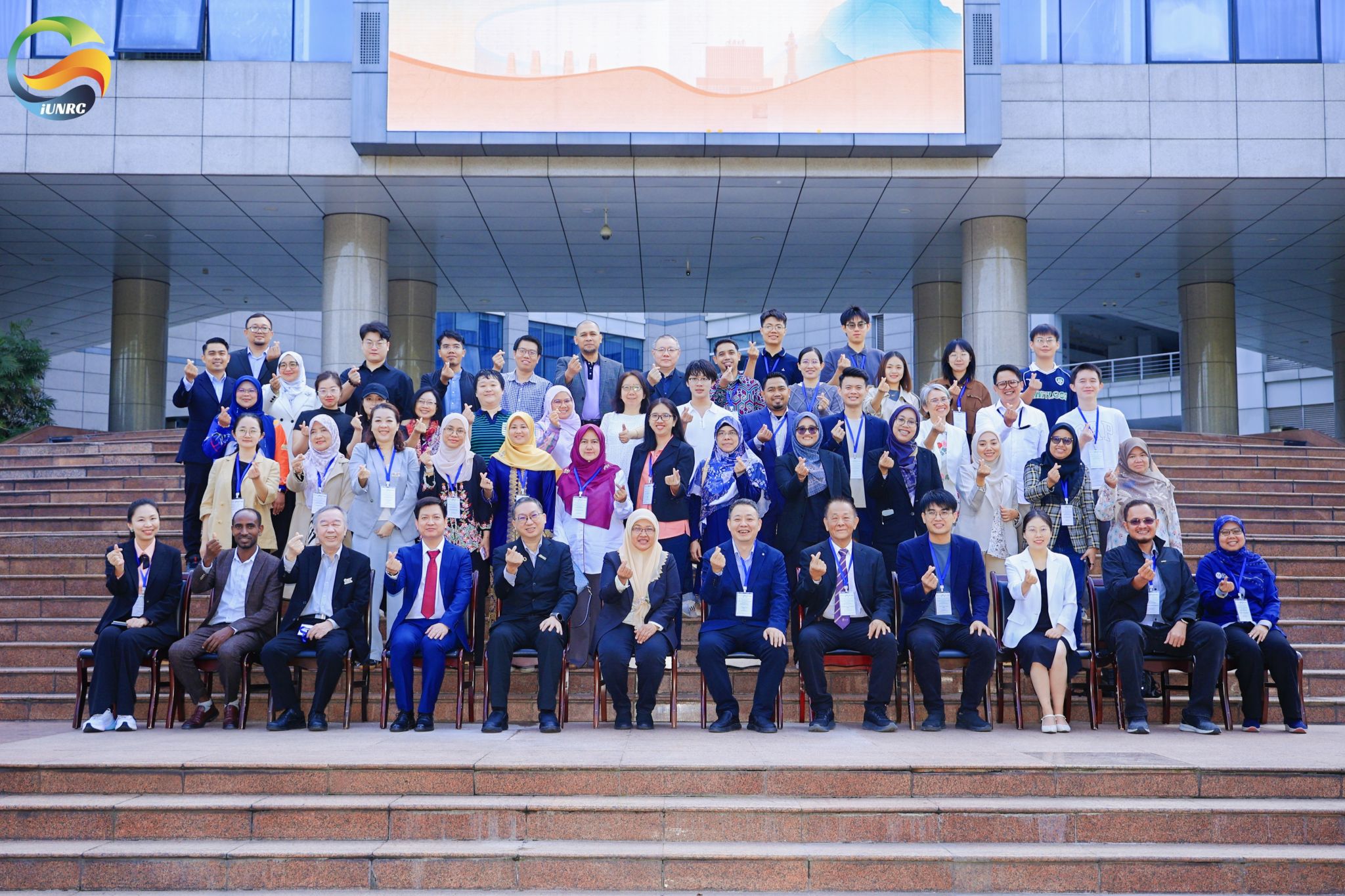
Figure 1: Group photo of the conference
On the morning of April 25, the conference opened ceremoniously in Conference Room 504 of the Main Teaching Building, Campus A of Shapingba Campus, Chongqing University. The opening ceremony was presided over by Assoc. Prof. Dr. Chen Zhongli from the College of Environment and Ecology of Chongqing University. Prof. Dr. Yang Yongchuan, Vice Dean of the College of Environment and Ecology of Chongqing University, and Prof. Dato' Gs. Dr. Narimah Samat, Deputy Vice Chancellor (Academic & International) of Universiti Sains Malaysia, delivered opening speeches. On behalf of the college, Prof. Yang extended a warm welcome to the domestic and international guests. He reviewed the college’s long-standing accumulation in the field of the Three Gorges Reservoir Region’s eco-environment, noted the strong development momentum of the Environmental/Ecology discipline which has recently risen to the top 1‰ in ESI rankings, and emphasized the indispensable role of international exchanges and cooperation. He stressed that under the severe challenge of global climate change, adaptive management of ecosystems requires interdisciplinary and cross-border collaborative innovation. Prof. Dato' Gs. Dr. Narimah Samat, stated in her speech that the scientific cooperation between Malaysia and China in the climate change field has already yielded fruitful outcomes, and she expressed her hope that more young scholars would join this research endeavour, which concerns the future of humanity. As the co-chair for the term of 2024-2025 of the University Network for Research Collaboration: a Belt and Road Science and Technology Initiative (iUNRC), Universiti Sains Malaysia has already carried out in-depth cooperation with Chongqing University, the chair of the iUNRC, on topics such as climate change and planetary health, sustainable agriculture, and smart agriculture. This conference was initiated under the iUNRC Innovation Fund-supported project “Impact of Climate Change on the Sustainability of Rice Field Ecosystems in Malaysia” and serves as a vivid example of the deep cooperation between the two universities, embodying the principles of " co-consultation, co-construction and sharing”.
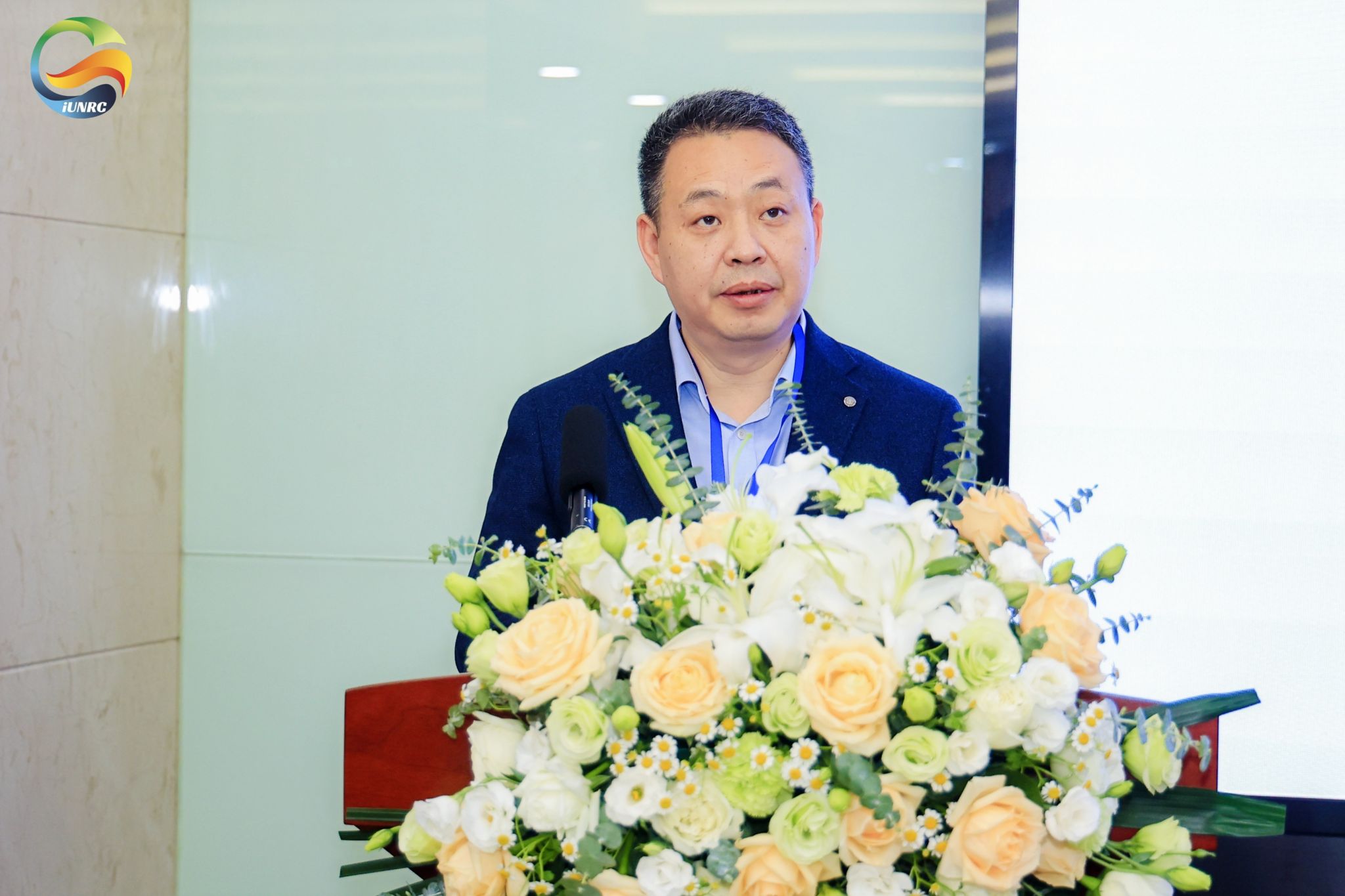
Figure 2: Prof. Yang Yongchuan delivering a speech
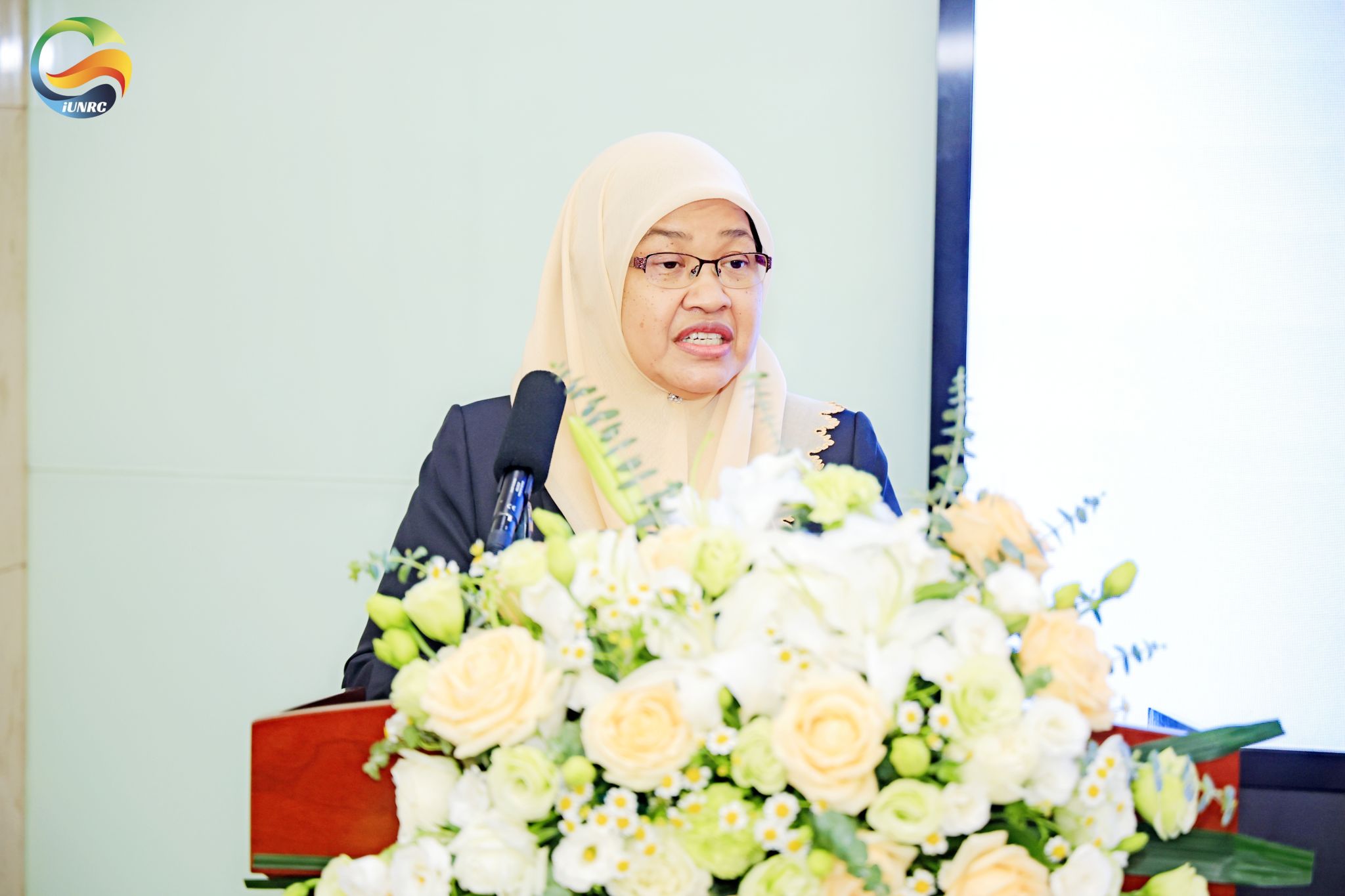
Figure 3: Prof. Dato' Gs. Dr. Narimah Samat delivering a speech
Subsequently, renowned scholars from Chongqing University, Universiti Sains Malaysia, and other institutions delivered insightful keynote reports. Prof. Dr. Yang Yongchuan presented the geographical patterns and dynamic drivers of alien garden tree species along the introduction-naturalisation-invasion continuum. Assoc. Prof. Dr. Mou Leong Tan from Universiti Sains Malaysia discussed the potential impacts of solar radiation modification technology on ecosystem resilience. Prof. Yang Yi from Chongqing University explored the transformation pathways of sustainable agri-food systems under climate change. Dr. Chun Kiat Chang from the River Engineering and Urban Drainage Research Centre (REDAC), USM, shared practical experiences of rainwater management in Malaysia’s “Sponge City” initiatives. Finally, Assoc. Prof. Chen Zhongli reported the latest research findings of the Sino-Malaysia collaborative project on the response of Malaysian rice field ecosystems to climate change. The presentations, which closely followed scientific frontiers and local needs, sparked lively discussions among both on-site and online audiences.

Figures 4-8: Keynote speeches
Upper left: Prof. Dr. Yang Yongchuan
Upper right: Assoc. Prof. Dr. Mou Leong Tan
Middle left: Dr. Chun Kiat Chang
Middle right: Prof. Dr. Yang Yi
Lower: Assoc. Prof. Dr. Chen Zhongli
The conference comprised five parallel sessions and one student session, covering topics such as “Climate Change and Ecosystem Vulnerability Assessment and Prediction”, “Ecosystem Resilience: From Theory to Practice”, “Disaster Resilience and Climate Risk Management”, “Technological Innovation and International Cooperation”, and “Policy, Governance, and Youth Action”. More than 80 participants from universities and research institutions at home and abroad gave oral presentations. Among them, 13 young scholars presented their research results in the student session, addressing diverse frontier topics such as the impact of volcanic eruptions on surface temperatures in Southeast Asia, vegetation restoration in plateau lake wetlands under climate change, and smart agriculture. To ensure the quality of academic exchange, the conference also provided a format for online participants that combined pre-recorded video playback with live Q&A, effectively overcoming network fluctuations and allowing every scholar to fully present their research.

Figures 9–12: Photos of parallel sessions
During the conference, participants visited the Analytical and Testing Center of Chongqing University, the Key Laboratory of the Three Gorges Reservoir Region’s Eco-Environment (Ministry of Education), and the campuses A and B, gaining an in-depth understanding of the university’s research platforms in ecology and environmental protection as well as its historical and cultural heritage. This conference not only built a high-level academic exchange platform for experts and scholars in the fields of global climate change and ecosystem research but also further deepened substantial cooperation between Chongqing University and universities from Belt and Road countries. Many participants stated that through the three-day discussions and interactions, they not only gained new research ideas but also made like-minded international partners, laying a solid foundation for future joint project applications, joint student training, and co-publication of high-impact results.

Figures: 13–15 Campus Tour
Upper left: First Teaching Building (Campus A)
Upper right: College of Environment and Ecology (Campus B)
Lower: Key Laboratory of the Three Gorges Reservoir Region’s Eco-Environment (Ministry of Education) (Campus B)
The successful holding of this conference marks a solid step forward for Chongqing University in promoting international cooperation on climate change response and ecosystem resilience. In the future, the university will continue to rely on international platforms such as iUNRC to deepen collaborative innovation with Universiti Sains Malaysia and other partner institutions around global sustainable development goals, contributing wisdom and strength to building a climate-resilient future and a harmonious coexistence between humanity and nature.